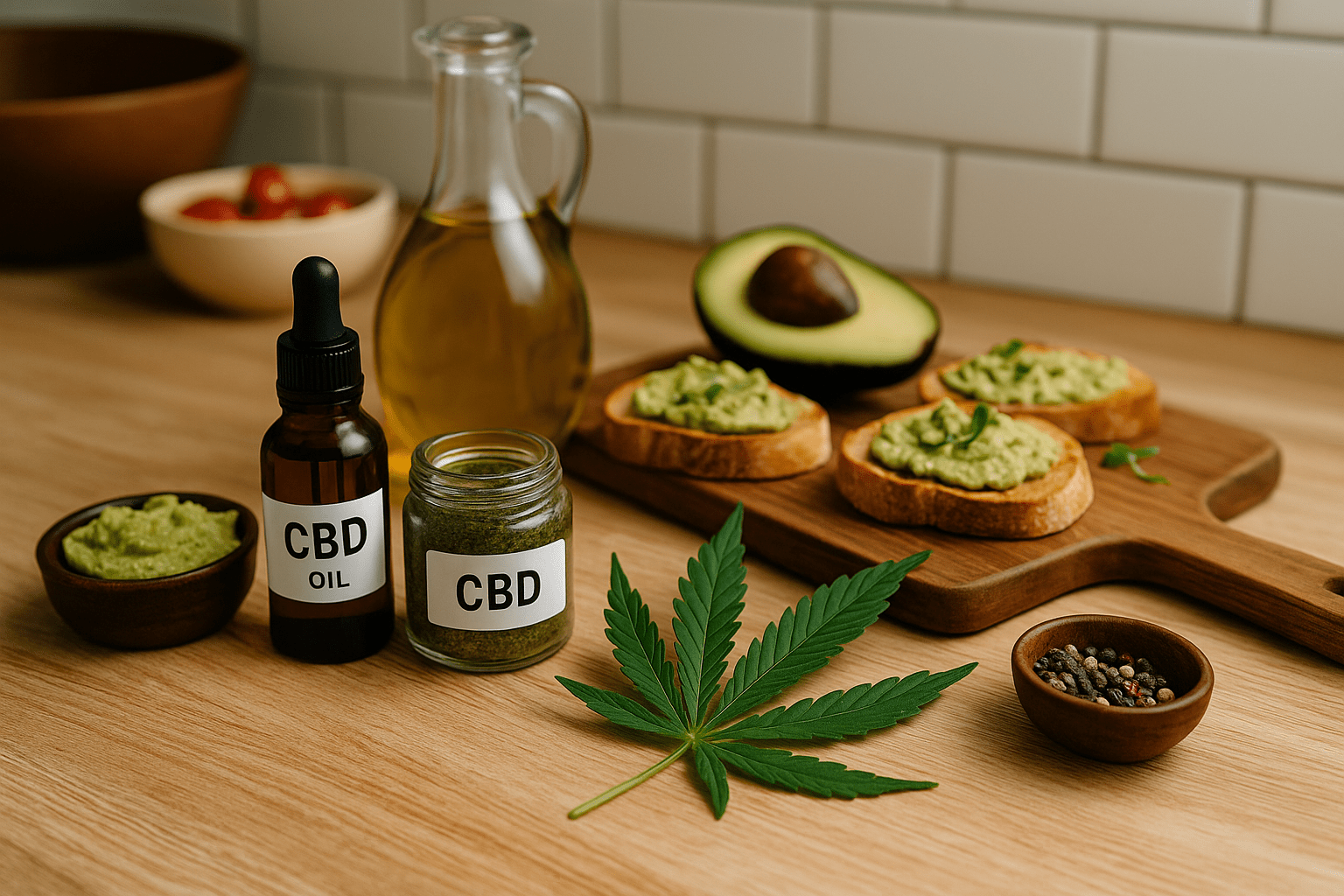
Asian Cuisine Spring Rolls with CBD Hash
Introduction
Asian cuisine is renowned for its freshness, diverse flavors, and subtle balance between different ingredients. Among the iconic dishes are spring rolls, these delicious preparations made with rice paper filled with vegetables, vermicelli, and sometimes shrimp or meat. Today, we will explore an original version of this recipe by incorporating CBD Hash, a hemp-derived product gaining popularity in Switzerland and worldwide. The idea is not just to follow the trend but also to understand the legality, composition, and potential effects of CBD to create a tasty recipe safely and with all necessary precautions.
According to Swiss law, it is legal to consume and sell hemp products as long as the THC content does not exceed 1% (Source: Federal Office of Public Health (FOPH)). CBD Hash is a hemp concentrate low in THC and rich in cannabidiol (CBD). Here, we will discuss how to select quality CBD Hash, the essential steps to create delicious spring rolls, and the precautions to take to best benefit from this product.
In this article, we will also examine laboratory analyses to ensure the reliability of CBD Hash, along with practical details for storage and the best way to incorporate it into Asian cuisine. We will dive into an informative text of over 1500 words to cover this exciting topic step by step.
Legality of CBD Hash in Switzerland
Before diving into the subject, it is essential to understand the legality of CBD Hash in Switzerland. The Swiss Confederation allows the sale and consumption of hemp-based products when the THC level is less than or equal to 1%. This means that CBD Hash manufacturers must strictly adhere to this limit to avoid illegality (Source: Narcotics Act, RS 812.121).
Quality Controls
Producers are required to have their products analyzed in laboratories to ensure they comply with the legal limit. Specialized laboratories conduct chromatography tests, precisely measuring the THC and CBD levels. Additionally, these analyses may also include contaminant checks (heavy metals, pesticide residues, etc.). Do not hesitate to ask for the analysis report before purchasing CBD Hash to ensure the product complies with Swiss standards.
Basics of Asian Cuisine
Asian cuisine is extremely varied, encompassing an infinite number of dishes from different regions. However, a common denominator remains: the use of fresh ingredients, aromatic herbs, spices, and sauces that harmoniously complement each other.
Spring Rolls: Origin and Ingredients
Spring rolls, especially known in Vietnamese cuisine, are traditionally composed of:
- Rice paper.
- Rice vermicelli.
- Various proteins, such as shrimp, tofu, pork, or chicken strips.
- Fresh vegetables: cucumber, carrots, lettuce, bean sprouts.
- Aromatic herbs: coriander, mint, Thai basil.
What greatly differentiates them from other fried-focused dishes is that they are served raw, offering a balance between fresh vegetables and mild proteins. The typical accompaniment is often a sauce based on soy, nuoc-mâm (fermented fish brine), or peanuts. In our version, we will subtly add CBD Hash without radically altering the authentic taste of the spring rolls.
Why Integrate CBD Hash into Your Spring Rolls?
CBD Hash stands out for its high cannabidiol (CBD) content and minimal THC level. According to a study published in “Cannabis and Cannabinoid Research” (2018), CBD may have various beneficial implications for well-being, without causing the psychoactive effects attributed to THC. Of course, this is not medical advice, but rather an exploratory avenue. It is everyone’s responsibility to inform themselves and consult a healthcare professional before making changes to their diet, especially when it comes to hemp-derived products.
Complementarity of Flavors
CBD Hash has a natural aroma that can, depending on its terroir and extraction methods, offer earthy, slightly spicy, or herbal notes. Spring rolls already have a very fresh and herbal profile thanks to mint and coriander, so the combination with CBD Hash can be interesting. The result is a harmonious blend of flavors, especially if the Hash is incorporated into a sauce or marinade compatible with hemp aromas.
Respecting Precautions
As with any food product, it is crucial to respect the recommended doses. Serious manufacturers usually indicate the percentage of CBD in their Hash. The ideal is to start with a small amount and then adjust according to your preferences. The effects of CBD can vary from person to person, which is why it is advised to exercise caution, especially if you are new to using this type of product.
Choosing Your CBD Hash
There are many varieties of CBD Hash on the market. To select a quality product:
- Check the THC level: as mentioned, it must remain below 1% to be legal in Switzerland.
- Consult laboratory reports: ensure that an independent laboratory has tested the product. The analyses should confirm not only the THC and CBD content but also guarantee the absence of toxic residues.
- Trust certifications: some manufacturers highlight quality or organic labels, attesting to good production practices.
- Read consumer reviews: feedback from other buyers can shed light on the taste, consistency, and effectiveness of CBD Hash.
Difference Between CBD Hash and Other Extracts
CBD Hash is the result of extracting the resinous glands of the plant, mixed and pressed to obtain a more or less firm paste or ball. Unlike CBD oil or CBD crystals, Hash generally retains more aromas and a potentially broader spectrum of cannabinoids. This can be felt in the product’s taste and olfactory complexity. Extraction can be done dry (Dry Sift) or using ice (Ice-O-Lator), each giving rise to a specific flavor profile.
Detailed Recipe: Spring Rolls with CBD Hash
Now that we have covered the key points for choosing quality CBD Hash and understood the basics of Asian cuisine, let’s get to the practical part. Here is a detailed recipe to make about twenty spring rolls, with a reasonable dosage of CBD Hash. Always adjust the quantities according to your needs.
Ingredients
For the rolls:
- 20 rice papers.
- 200 g of rice vermicelli (preferably thin vermicelli).
- 20 washed lettuce or batavia leaves.
- 2 carrots cut into julienne (thin sticks).
- 1 cucumber cut into julienne (preferably organic to avoid peeling).
- 20 fresh coriander leaves (one per roll).
- 20 fresh mint leaves (one per roll).
- Optional: 20 peeled and cooked shrimp, chicken strips, or tofu (prepared in advance).
For the CBD Hash-infused sauce:
- 50 g of peanut butter (preferably natural, without added sugar).
- 1 to 2 teaspoons of soy sauce.
- 1 to 2 teaspoons of lime juice.
- 100 ml of warm water (adjust according to desired consistency).
- 0.5 to 1 g of CBD Hash (adjust according to CBD content and your tolerance).
- 1 teaspoon of honey (optional).
- Pinch of chili powder or hot sauce (optional).
The CBD Hash dosage can vary: if your product contains 20% CBD, 1 g of Hash will contain about 200 mg of cannabidiol. According to various advice and studies (not for medical purposes), a daily dose between 20 mg and 40 mg of CBD is often cited, but this greatly depends on individuals and their sensitivity. Always remember to start low and adjust as needed.
Utensils
- A large container or round dish to soak the rice papers.
- A bowl for the sauce.
- A mortar and pestle or an electric grinder to crumble the Hash (if too compact).
- A cutting board.
- A clean cloth (to place the soaked rice paper).
Preparation Steps
- Prepare the rice vermicelli: Boil water in a saucepan. Off the heat, immerse the vermicelli in hot water according to the duration indicated on the package (usually 3 to 5 minutes). Drain and rinse them with cold water to stop cooking.
- Cut the vegetables: Cut carrots and cucumber into julienne. Rinse and dry the lettuce. Prepare the aromatic herbs by separating the leaves.
- Prepare the CBD Hash sauce:
- In a bowl, mix peanut butter, soy sauce, lime juice, and warm water.
- Then add the CBD Hash, which you will have previously crumbled or lightly heated at low temperature to release the CBD molecules (without exceeding 110 to 120°C, to avoid degrading the cannabinoids).
- Optionally incorporate a dash of honey for sweetness and some chili if you like spicy dishes.
- Whisk the sauce until you achieve a homogeneous consistency.
- Soak the rice paper:
- Fill a large container with warm water.
- Soak a rice paper for about 5 to 10 seconds, until it is pliable but still manageable (be careful not to soak it too long, it would tear).
- Assemble the rolls:
- Place the paper on a clean, damp cloth (to prevent it from sticking to the surface).
- Place a lettuce leaf, a few carrot sticks, cucumber, a small portion of vermicelli, a mint leaf, a coriander leaf, and if desired, 1 shrimp or a piece of chicken/tofu.
- Fold the sides of the paper, then roll gently, tightening without forcing.
- Repeat the operation for each roll.
- Serve: For tasting, offer your CBD Hash sauce in small individual containers, to dip each roll as you wish.
Tips to Optimize Flavor and CBD Effectiveness
Temperature Control
CBD needs a certain heat to exit its acidic form (CBDA) and transform into “active” CBD. Generally, decarboxylation occurs around 110 to 120°C for 30 to 45 minutes (Source: Internal laboratory analysis report from a Swiss hemp producer, consulted in 2021). However, many industrial CBD Hash products are already decarboxylated or at least partially activated during production. Therefore, it is preferable to check if the product has already undergone a thermal process. In the recipe above, adding slightly heated CBD Hash allows better release of CBD’s potential while avoiding overheating and destroying the compounds.
Marinades and Sauces
Incorporating CBD Hash into a fatty sauce (peanut butter, sesame oil, or coconut milk) improves CBD’s bioavailability. Indeed, CBD is liposoluble, meaning it dissolves better in fats. To maximize effectiveness, ensure the preparation is well mixed and the active ingredient is evenly distributed.
Storage
- Rolls: They are best consumed the same day. In the refrigerator, store them for a few hours in an airtight container, separating each layer of rolls with a lettuce leaf or plastic wrap to prevent them from sticking together.
- CBD Hash Sauce: The peanut butter and CBD Hash-based sauce can be stored in the fridge for 24 to 48 hours. However, be sure to stir it well before each use to homogenize the content and prevent oil separation.
Analytical Factors and Laboratory Tests
To ensure a CBD product is safe, serious producers provide precise laboratory analyses. Several parameters are checked:
- Cannabinoid levels: The THC, CBD, CBG, etc., content is precisely measured.
- Heavy metals: Since hemp is sometimes grown outdoors, it can accumulate toxins in the soil. Analyses check for lead, mercury, cadmium, or arsenic.
- Pesticides: Certified organic products should normally present a near-zero residue level.
- Microbiology: The presence of bacteria or fungi that could affect the product’s quality and safety is evaluated.
It is important to emphasize that traceability and reliability of analyses are the cornerstone of a CBD market that respects standards. By relying on transparent suppliers, consumers ensure compliance with legislation and the quality of the products used.
Different Aromatic Profiles of CBD Hash
CBD Hash can vary according to several factors:
- The hemp variety: Some varieties are known for their more lemony aromas (rich in terpenes like limonene), others for their more woody profile (rich in pinene).
- The extraction method: Dry sift (sifting the resin dry) often gives a more “rustic” tasting Hash, while ice extraction (Ice-O-Lator) can preserve more terpenes, resulting in a flavor closer to the plant’s original aroma.
- The terroir: Soil, sunlight, humidity, and other environmental conditions can influence the plant’s chemical composition.
In any case, if you are looking for a CBD Hash that pairs well with the freshness of spring rolls, aim for a product with slightly herbal, lemony, or resinous notes. Hemp varieties rich in terpenes like linalool or myrcene can also provide a floral or slightly spicy scent, interesting to pair with mint and coriander.
Considerations on Dosage and Responsibility
Even if THC is significantly below 1%, it is important to remember that excessive CBD consumption can cause drowsiness or interactions with certain medications (Source: FOPH Opinion, 2021). If you are undergoing medical treatment, always discuss with a professional before incorporating CBD Hash into your diet. Especially since the cumulative effect in the long term is not yet fully known, despite the increasing number of studies in recent years.
Moreover, CBD is not a miracle cure for all ailments. Its use should remain thoughtful and, if possible, supervised by medical advice in the case of serious pathologies or medication intake. Always respect the recommended doses, and be cautious if you plan to offer these CBD Hash spring rolls to people who are new to it.
Variations and Original Ideas
If you wish to vary your recipe:
- Change the protein source: Replace shrimp with lacquered tofu, tempeh, or marinated chicken strips to vary the pleasures.
- Vary the vegetables: Add red bell pepper strips, sautéed shiitake mushrooms, or bamboo shoots.
- Opt for an alternative sauce: Instead of peanut butter, try a Thai basil and sesame oil pesto, in which you incorporate CBD Hash.
- In the wok: If you prefer a hot dish, you can lightly sauté the vegetables with CBD Hash sauce before putting them in the rolls. However, be careful not to overheat the Hash, to avoid degrading its active principles.
Conclusion
CBD Hash spring rolls offer an original culinary experience, combining the freshness and lightness of Asian cuisine with the properties of cannabidiol. To comply with Swiss legislation, ensure that your Hash’s THC content is below 1%. Total control and transparency over laboratory reports are essential for a quality product, free of heavy metals and pesticides. From a taste perspective, the combination of aromatic herbs (mint, coriander) and a CBD Hash-infused sauce can open new perspectives of harmony on the plate, provided it is subtly dosed.
Remember that CBD is not trivial: it deserves a measured approach, especially if you have never experienced it or are undergoing medical treatment. Scientific studies are multiplying to better understand its effects, but many gray areas still persist. Meanwhile, nothing prevents you from exploring and delighting your loved ones with a healthy, balanced, and creative recipe. CBD Hash spring rolls are a great opportunity to marry Asian traditions with innovations from hemp, all while respecting Swiss laws and responsible consumption.
Bon appétit and happy discovery!