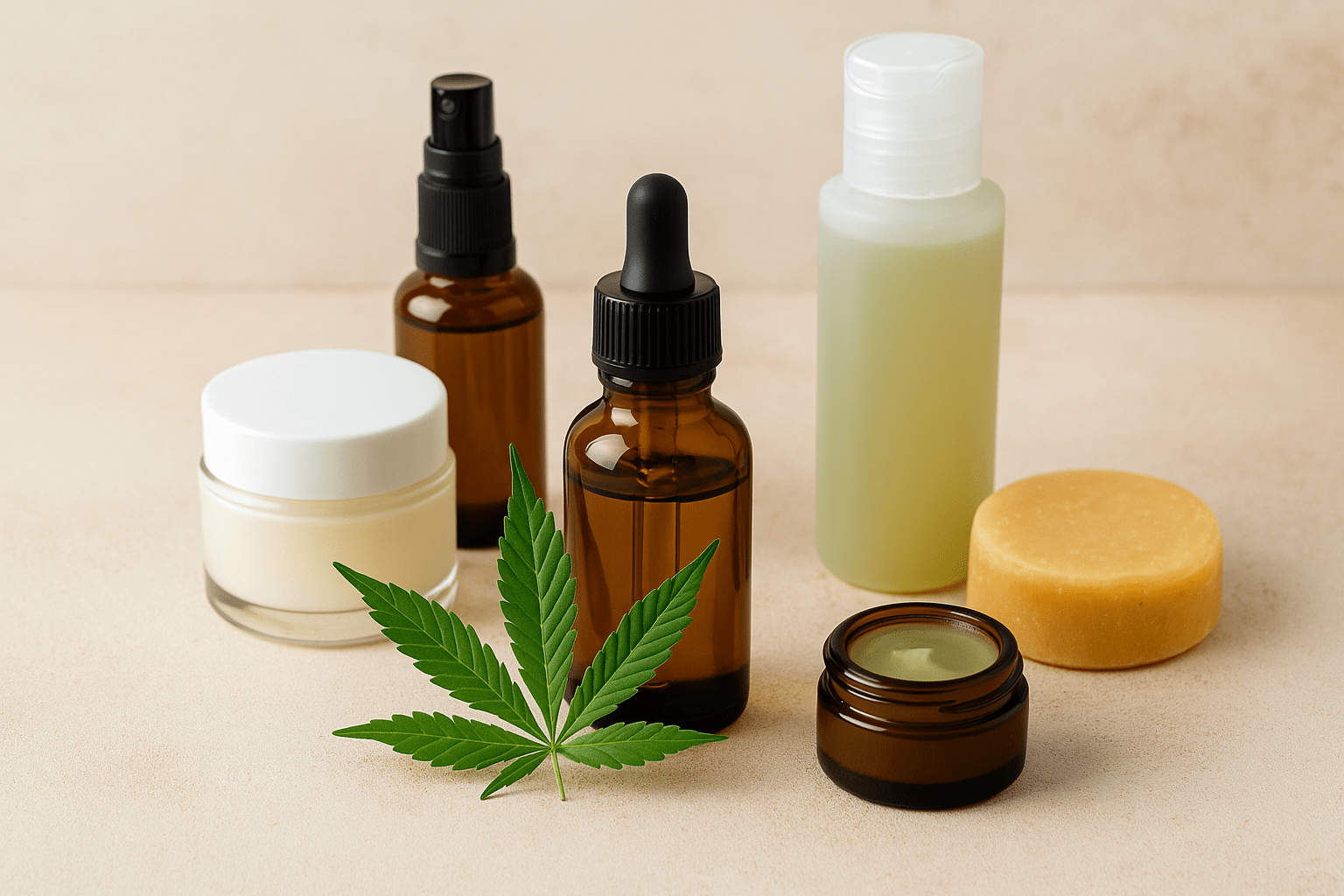
CBD Hash Throat Lozenges: Sugar-Free Recipe
Introduction
Throat lozenges are often the quick and convenient solution to relieve slight discomfort or temporary irritation. Sugar-free variants, increasingly popular, help avoid excess calories and favor ingredients better suited for people following specific diets (such as low-carb diets). When enriched with cannabidiol (CBD), these lozenges become an interesting option for those wishing to benefit from the potential properties of hemp while maintaining a discreet and easy consumption method.
In this article, we invite you to discover CBD Hash, its legal framework in Switzerland, and a detailed recipe to make your own sugar-free throat lozenges. Every piece of information shared here comes from official Swiss sources or scientific studies related to CBD. We prioritize accuracy to offer you content that is both educational and reliable.
What is CBD Hash?
“CBD Hash” (also known as CBD hashish) is a hemp-derived product. Traditionally, hashish is produced from the resin contained in the trichomes of the cannabis plant. In the case of CBD Hash, this resin is extracted from cannabis varieties rich in cannabidiol (CBD) and low in tetrahydrocannabinol (THC). In its pure state and in Switzerland, it must have a residual THC content of less than 1% to be legally sold (according to the Federal Office of Public Health [FOPH], “Cannabis with a THC content below 1%”, updated in 2021).
Differences between traditional hash and CBD Hash
- THC Content: Traditional hash can contain a high level of THC, the most well-known psychoactive substance in cannabis. CBD Hash, on the other hand, is strictly controlled to contain less than 1% THC in Switzerland.
- Desired Effects: THC-rich hash often aims for a psychoactive effect (“high”). CBD Hash, conversely, is preferred for less pronounced effects on cognition while retaining the potential properties of CBD.
- Extraction Methods: CBD Hash can be obtained through various techniques (such as supercritical CO₂ extraction or dry extraction). The choice of method ensures maximum preservation of cannabidiol and other non-psychoactive cannabinoids.
Thus, CBD Hash is recognized for its measured concentration of cannabidiol, and its compliance with a legally lower than 1% THC content allows it to be sold and consumed in full accordance with Swiss legislation.
Legality of CBD Hash in Switzerland
In Switzerland, cannabis legislation is primarily governed by:
- The Narcotics Act (NarcA, RS 812.121).
- The Cannabis Ordinance (CannO), adopted and implemented by the Federal Council.
According to the FOPH, a cannabis product is legal if it does not exceed 1% THC. This regulation applies to hemp flowers, extracts, and processed products. CBD Hash, with less than 1% THC, can therefore be legally purchased and consumed in Switzerland, provided it meets the quality standards imposed on producers and distributors.
Quality Controls
In addition to complying with the legal THC threshold, certain quality criteria are increasingly voluntarily adopted by CBD Hash manufacturers. These include:
- Absence of molds and pathogenic bacteria.
- Limitation of heavy metals (lead, cadmium).
- Control of pesticides and other solvent residues.
Specialized laboratories conduct analyses, often available in the form of certificates (Certificate of Analysis, or COA). This ensures product reliability, a key element for safe consumption.
Potential Properties of CBD Hash
Cannabidiol (CBD) is of interest to many researchers for its possible biological properties. Although research is ongoing, several scientific studies published in peer-reviewed journals suggest that CBD may exhibit various activities, such as:
- Anti-inflammatory properties: A study published in the European Journal of Pain (volume 23, 2019) observed that topically applied CBD in an animal model could help reduce pain sensitivity related to inflammation.
- Stress and anxiety modulation: Several review articles (systematic reviews), examining among other things preliminary clinical results, suggest that CBD could modulate certain neuronal receptors and reduce anxiety (see for example The Permanente Journal, 2019, for a clinical study on anxiety).
Furthermore, the scientific community is also interested in the potential interactions of CBD with other cannabinoids (known as the entourage effect). In the case of CBD Hash, other non-psychoactive molecules present in the resin (CBG, CBC, terpenes, etc.) could play a complementary or synergistic role, according to some hypotheses still under evaluation.
It is important to emphasize that the sale of CBD, including in the form of Hash, should not be presented as a medical treatment. In Switzerland, any therapeutic product must receive authorization from Swissmedic if it is intended for the prevention or treatment of medical conditions. CBD Hash throat lozenges are therefore not medicines but rather a supplement that can be part of an overall lifestyle.
Throat Lozenges: Why and How?
Throat lozenges are generally used to:
- Soothe temporary discomfort in the oral cavity or throat (due to dryness or slight hoarseness, for example).
- Provide a refreshing effect and soften the throat.
- Offer a pleasant aroma, such as mint, verbena, or lemon.
When made with a CBD Hash extract, they can include the properties of cannabidiol. The lozenges dissolve slowly in the mouth, providing prolonged contact time with the oral mucosa, which may facilitate the absorption of certain molecules (including CBD). Additionally, in a “sugar-free” format, they are an ideal alternative for anyone wishing to:
- Avoid refined sugars.
- Limit carbohydrates, particularly in the context of a specific diet (diabetes, ketogenic).
- Reduce the impact on dental enamel, as there are less cariogenic sweeteners (e.g., xylitol).
Sugar-Free Recipe: Making CBD Hash Throat Lozenges
Below we present a simple and accessible method that does not require advanced confectionery skills. It is inspired by traditional candy recipes, adapted to the presence of polyol sweeteners (such as xylitol) and the incorporation of CBD Hash.
Ingredients and Equipment
- 100 ml filtered or mineral water.
- 8 g powdered xylitol (or another polyol sweetener like erythritol)*.
- 1 teaspoon powdered gelatin (or agar-agar for a plant-based version).
- 2 to 5 g CBD Hash (depending on the desired cannabidiol concentration).
- 1 teaspoon natural lemon juice (optional) for a tangy taste.
- A few drops of natural mint or verbena extract (sugar-free).
Required Equipment:
- A small saucepan.
- A kitchen thermometer (to check the temperature).
- Silicone lozenge or candy molds.
*\Note on sweetener choice: xylitol has a taste close to traditional sugar, but it is not recommended for certain animal species (including dogs). Handle it with care to avoid domestic accidents related to pets. Erythritol is also possible, although its sweetening power may be slightly different.
Preparation Steps
-
CBD Hash Extraction (optional)
If you have a fairly compact CBD Hash, you can crumble it into fine pieces before incorporating it. Some people prefer to lightly heat the Hash to promote partial decarboxylation of CBD-A into CBD, potentially improving bioavailability. However, this should be done at a low temperature (around 120‑140 °C) and for a limited time (15 to 30 minutes). According to a study published in Plant Foods for Human Nutrition (2020), low-temperature decarboxylation preserves minor cannabinoids while converting CBD-A into CBD. -
Preparation of the Sugar-Free Syrup
In a saucepan, pour the 100 ml of water with the xylitol. Heat over low heat, stirring regularly. The goal is to dissolve the sweetener without caramelization. The melting point of xylitol is around 94 °C; check the temperature with the thermometer to not exceed 100 °C. -
Incorporation of the Gelling Agent
Once the xylitol is completely dissolved, incorporate the gelatin powder or agar-agar. Continue heating and stir gently to avoid lumps. Follow the manufacturer’s instructions on the exact quantity and heating times, as gelatin and agar-agar are handled differently (agar-agar requires a few minutes of boiling to release its maximum gelling power). -
Mixing the CBD Hash
Then add the CBD Hash crumbled into very fine pieces or previously heated. Ensure the mixture is not too hot (ideally between 60 °C and 80 °C) to avoid degrading the active substances. Stir gently to achieve as homogeneous a dispersion as possible. -
Taste Adjustment
Pour in the teaspoon of lemon juice and add a few drops of natural mint extract (or another aromatic plant) if desired. Stir again to distribute the flavors evenly. -
Molding
Remove the saucepan from the heat. Using a spoon or pipette, fill your silicone molds (small lozenge shapes, for example). Be careful not to burn yourself during the transfer of the hot mixture. -
Cooling and Demolding
Let the molds rest at room temperature until the lozenges are set. You can then place them in the refrigerator for 1 to 2 hours to speed up solidification. Once the lozenges are firm, gently unmold them. -
Storage
To prolong their shelf life, store your lozenges in an airtight container, away from light and moisture. Under good conditions, they can keep for several weeks.
CBD Dosage
The exact CBD dosage will depend on the initial concentration of your CBD Hash. For example, if your Hash contains 20% CBD, 1 g will contain about 200 mg of CBD. Adjust the quantities according to the desired intensity and your personal tolerance.
Advantages and Limitations of CBD Hash Lozenges
Advantages
- Discretion: The lozenges look like regular candies, easy to carry and consume in public without drawing attention.
- Partial Sublingual Absorption: By dissolving in the mouth, some of the CBD can be absorbed directly through the oral mucosa (according to studies on transmucosal absorption).
- Dose Control: Each lozenge represents a precise and measurable portion (provided there is a homogeneous distribution).
- No Added Sugar: Perfect for a low-carb diet or for people with diabetes (while carefully controlling the overall diet and following medical recommendations).
Limitations
- Uneven Distribution: Despite good mixing, there may be slight variations in the distribution of CBD Hash.
- Moderate Bioavailability: Oral absorption remains lower than other methods (such as vaporization), even if it is better than purely gastrointestinal ingestion for some components.
- Preparation Time: Making homemade lozenges takes more time than a ready-to-use product.
Safety and Precautions
Although CBD Hash contains less than 1% THC and is legal in Switzerland, certain precautions should be observed:
- Quality of CBD Hash: Favor lab-tested products with an adequate certificate to avoid contamination (heavy metals, pesticides).
- Drug Interaction: CBD can, in some people, interact with medications metabolized by certain liver enzymes (such as CYP3A4). If you are undergoing treatment, seek advice from a healthcare professional.
- Out of Reach Storage: The lozenges, resembling candy, may attract children. Store them safely, out of sight and reach of minors.
- Individual Sensitivity: Some individuals may be more sensitive to CBD or have an intolerance to xylitol or another sweetener. If in doubt, reduce doses or stop consumption.
Trends and Perspectives on CBD Hash
Interest in CBD-based products, including Hash, is not limited to lozenges. New forms regularly appear:
- Sublingual Oils and Tinctures: Incorporating high-quality CBD, often combined with carrier oils like MCT oil.
- Cosmetics and Topicals: Creams and balms enriched with CBD and hemp extracts for local applications.
- Edible Products: Chocolates, CBD protein bars, as well as various beverages such as tea or infusions.
Most of these products, if they comply with the legal threshold of 1% THC, circulate freely on the Swiss market. In the future, the legal framework may evolve to further clarify the status of these products and encourage scientific research. Studies on hemp composition, its terpene profile, and possible synergies with other phytocompounds are booming.
Frequently Asked Questions (FAQ)
1. Is it possible to replace gelatin or agar-agar with gum arabic?
Yes, gum arabic is another natural gelling agent sometimes used in confectionery, but it requires a specific cooking protocol (often prolonged low heat) to achieve the desired consistency.
2. Why prefer CBD hashish over CBD oil?
CBD Hash has its own identity, with a cannabinoid and terpene profile distinct from oil. Some enthusiasts appreciate its aromatic note and slightly resinous mouthfeel. However, nothing prevents incorporating CBD oil instead of resin, especially if this oil is already decarboxylated and of confirmed quality.
3. Can CBD Hash lozenges be consumed at any time of the day?
Generally yes. However, since CBD can have a relaxing effect on some people, it is prudent to test your reaction before driving or undertaking a task requiring high concentration, although CBD is not a psychoactive per se. Effects vary from one individual to another.
4. Do CBD Hash lozenges really soothe an irritated throat?
”Throat” lozenges are generally formulated to soften the throat. Relief may come from the moisturizing and soothing properties of the texture and aromas (e.g., mint, verbena). Regarding CBD, some research suggests a potential anti-inflammatory effect, but there is no formal consensus on specific efficacy for the throat. Lozenges should not replace medical treatment when necessary.
5. Can the dose of CBD Hash be increased for superior effects?
In theory, yes, but always respect your body’s tolerance. Start with a low dose and observe your feeling before increasing. Also, consider the current legislation and ensure the THC content remains compliant.
Conclusion
CBD Hash throat lozenges, made according to a sugar-free recipe, represent an original and discreet approach to benefiting from the potential properties of cannabidiol. The main steps of the recipe — from preparing the sugar-free syrup to integrating CBD Hash and cooling — allow you to craft a personalized artisanal product at home. Making your own lozenges offers several advantages: you control the dose, select quality flavors, and opt for sweeteners compatible with your diet.
In Switzerland, as long as CBD Hash respects the 1% THC cap, it complies with the narcotics law. Laboratory analyses, often requested by specialized brands, help confirm the precise cannabinoid content and ensure the absence of contaminants. People interested in alternative CBD products (dried flowers, oils, etc.) often see it as an opportunity to discover, in an edible and practical form, the full aromatic and chemical richness of hemp.
However, it is important to keep in mind that these lozenges are neither a medicine nor a miracle product. The information presented here comes from Swiss legal texts, independent laboratory reports, and peer-reviewed scientific studies, but each body remains unique. If you have doubts about the relevance of consuming CBD — even in modest amounts — or about compatibility with medical treatment, it is wise to consult a healthcare professional.
Ultimately, this recipe serves as a working base for anyone wishing to combine taste pleasure, culinary innovation, and compliance with Swiss legislation standards. We look forward to seeing you on a future gourmet adventure at CbdHash.ch, where we continue to explore, analyze, and share the best of CBD Hash and hemp-derived products. Happy preparations and enjoy!