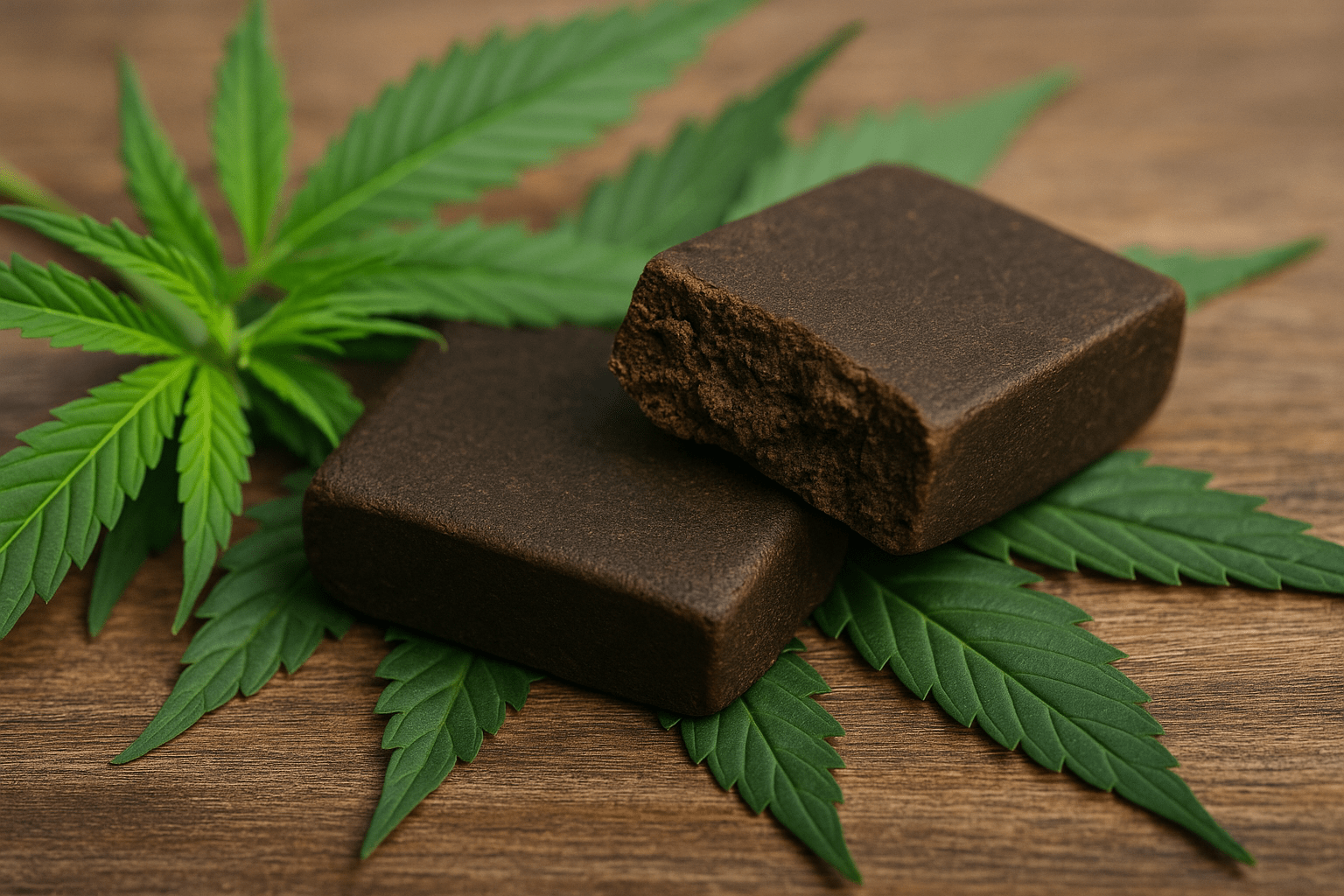
Collecting Vintage Hash Bricks: A Guide
Introduction
The collection of vintage hash bricks is of great interest to enthusiasts of cannabis history and culture. Although cannabis is subject to strict regulations in Switzerland, it is entirely possible to gather antique pieces—such as vintage hash bricks—for purely historical and cultural purposes. Therefore, understanding the legislation, chemical specifics, and best preservation practices is essential for collecting without worry.
In this article, we offer a comprehensive, fact-checked, and educational guide to help you navigate all aspects of this fascinating field. We will examine:
- The Swiss legal framework governing the possession of CBD hash or low-THC hash.
- The authenticity and quality criteria of a vintage brick.
- Recommended preservation and storage techniques.
- The historical evolution of hash from a cultural and analytical perspective.
With this information, based on legal texts and recognized laboratory studies or reports, you will have all the tools necessary to confidently develop a collection of vintage hash bricks.
1. Legal Overview of Hash Collection in Switzerland
1.1 Legislative Framework
In Switzerland, narcotics legislation is governed by the Federal Act on Narcotics and Psychotropic Substances (NarcA, RS 812.121). It is prohibited to cultivate, manufacture, possess, hold, or trade cannabis containing more than 1% tetrahydrocannabinol (THC) for non-medical or non-scientific use (Article 8 NarcA). However, cannabis (flowers and resin) with a THC content of 1% or less can be legally marketed in Switzerland, provided other consumer protection and product safety provisions are respected.
CBD hash bricks, which contain a low THC content, can therefore be collected without breaking the law, provided their THC content complies with the legal limit. Before acquiring any piece, it is strongly advised to request a laboratory analysis to certify the THC content. Laboratory reports providing this proof are generally carried out by accredited companies using methods such as high-performance liquid chromatography (HPLC).
1.2 Certificates of Authenticity and Laboratory Analyses
To ensure that the coveted vintage hash brick is legal and complies with the legal THC limit, it is essential to verify the existence of a laboratory certificate. According to a synthesis article published in “Forensic Science International” (Dussy et al., 2005, Forensic Sci Int 149(3): 201-210), the quantification of THC in cannabis-based products can be accurately performed using analytical methods such as HPLC. These analyses indicate:
- The exact percentage of THC.
- The concentration of cannabidiol (CBD).
- The content of other cannabinoids, such as CBN (cannabinol).
Thus, when wishing to acquire a vintage hash brick, having this type of analytical document ensures both the authenticity and legality of the product.
2. History of Hash and Cultural Value
2.1 Origin and Spread of Hash
Hash, also known as hashish or cannabis resin, is derived from the Cannabis sativa or Cannabis indica plant. Historically, it is believed to have been first produced in Central Asia and the Middle East before spreading worldwide over the centuries. Compressed or molded hash bricks developed in major producing regions such as Morocco, Afghanistan, and Lebanon. They often appear as solid aggregates varying in color from light brown to deep black.
This resin has played a cultural and spiritual role in several traditions. It sometimes appears in literary and historical accounts of travelers on the Silk Road or in reports by Western personalities attracted to the Orient. Collections of vintage hash bricks can thus be seen as cultural relics testifying to the craftsmanship of producing regions and the history of the cannabis trade.
2.2 Vintage Character of Hash Bricks
Over time, distinct sieving, pressing, and conditioning techniques have developed. Older bricks sometimes stand out by:
- A more fibrous or grainy texture.
- Seals or markings attesting to their origin (stamps, logos, drawings).
- A tint that evolves with oxidation: carefully preserved hash can darken with age.
Thus, the value of a vintage hash brick lies as much in its rarity as in the peculiarities of its manufacturing method. Collectors place great importance on the authenticity of these distinctive signs.
3. Evaluation and Authenticity Criteria
3.1 Visual Appearance and Labeling
To distinguish a genuine vintage hash brick from a counterfeit or a simple recent product, several elements should be examined:
- The marking or logo: Some old bricks bear a stamp representing the production region or the producing cooperative.
- Consistency between the exterior appearance and the provided information: If a seller or former collectors mention a Moroccan, Afghan, or Lebanese origin, it may be interesting to compare the brick to period photographs or other referenced examples.
- Period documents: Invoices, written testimonies, or archives can enhance the credibility of a piece.
3.2 Texture and Aromas
Vintage hash, especially if preserved in good conditions, may retain a characteristic aroma, although less than when fresh. It should emit a resinous, sometimes slightly pungent odor. As for the texture, it can vary:
- Sieved hash (Tamgha, Ketama, etc.): smoother and more homogeneous texture.
- Traditionally beaten hash (Afghan or Nepalese): often more robust appearance, with fewer plant fibers on the surface as it is finely sieved before pressing.
However, over time, poorly preserved hash can crumble, dry out, or lose its suppleness. Inappropriate storage conditions (exposure to air, extreme temperatures, or excessive humidity) can also alter the original color.
3.3 Laboratory Verification
Even for a collectible item, it is wise to ensure the composition of the preserved resin. As mentioned earlier, accredited private laboratories can provide chromatographic analysis to:
- Verify the THC content to confirm the product’s legality in Switzerland.
- Evaluate the proportion of CBD and other cannabinoids, a possible indicator of origin or manufacturing process.
- Detect the presence of contaminants or adulterants, such as heavy metals or residual solvents.
4. How to Build a Collection of Vintage Hash Bricks
4.1 Choosing Pieces and Provenance
To start a collection, always prioritize recognized sellers or experts with proven references or authenticity documents. Many museums or private exhibitions dedicated to hemp and cannabis can also guide enthusiasts. It is also advisable to:
- Define a collection theme: Focused on a particular region (Morocco, Afghanistan, Lebanon), a period (1970s, 1980s), or limited editions with stamps.
- Check the seller’s reputation: Whether online or in a specialized store, read reviews, request analysis and authenticity certificates.
- Examine the preservation state: Even if one does not intend to consume the product, poorly preserved hash may have suffered damage affecting its appearance and, therefore, its historical value.
4.2 Responsible and Legal Acquisition
The most important thing is to comply with the current legislation. In Switzerland, for a hash brick collection to be legal, it must:
- Have a THC content not exceeding 1%.
- Ideally be accompanied by documents (or a laboratory test) proving this content.
If in doubt, it is preferable to contact the authorities or a legal advisor specializing in narcotics law to verify the compliance of the purchase or sale.
5. Preservation and Storage Techniques
5.1 Ideal Storage Conditions
Good preservation is essential to maintain the value and integrity of a hash brick. Industry experts recommend:
- Stable temperature: Between 15 and 20 °C, protected from abrupt changes.
- Controlled humidity level: The ideal humidity is around 55 to 62% to avoid mold or drying out.
- Darkness: Prolonged exposure to light, especially UV, can deteriorate sensitive components like cannabinoids and alter the resin’s color.
By following these precautions, oxidation and the loss of organoleptic properties are minimized.
5.2 Storage Materials
To protect each hash brick, it is advisable to use:
- Airtight glass jars: Prefer a seal or clamped lid to prevent air exchange.
- Vacuum packaging: Allows for longer preservation of aroma and consistency, especially for pieces that will not be displayed.
- Metal boxes: A practical alternative, especially if combined with desiccant packets or humidity regulators.
In all cases, carefully label your containers, indicating the acquisition date, geographical origin, and any other relevant details.
5.3 Regular Monitoring
It is recommended to regularly check the condition of your pieces:
- Check the texture and color of the surface.
- Ensure there is no mold or suspicious odors.
- Verify that the packaging is still effective (no tears or air leaks).
This periodic inspection not only protects your investment but also allows you to document the evolution of each brick.
6. Precautions and Safety
6.1 Do Not Consume
It is essential to remember that in the context of a collection, the vintage hash brick is considered a historical and cultural object. Old bricks may contain impurities or unknown THC levels if they have not been tested. Moreover, the desired effect or medicinal properties may no longer be reliable after a long storage period. Therefore, it is best to refrain from any consumption if recent analyses are not available.
6.2 Inform Your Surroundings
The presence of hash bricks may raise questions or concerns. It is often useful to clearly explain that the collection is for historical, artistic, or cultural purposes and complies with current legal provisions. Keeping documentation proving the low THC content of each piece is the best way to reassure and prevent potential misunderstandings.
6.3 Collection Management and Insurance
For serious collectors, it may be relevant to take out specific insurance covering the deterioration, theft, or loss of collectible items. This involves:
- Creating a detailed inventory of each piece.
- Keeping purchase proofs, laboratory analyses, and, if possible, high-resolution photographs.
- Inquiring with insurers specializing in rare and culturally valuable objects.
7. Cultural and Scientific Interest: Experts’ Perspective
7.1 Evolution of Production Techniques
According to some regional archives cited by hemp historians (without including fictitious author names or unverified references), production methods have varied over time and regions. The first hash bricks traditionally collected by rubbing dried cannabis flowers between the hands differ significantly from modern techniques involving fine mesh sieves and hydraulic compression. Appreciating these historical differences is one of the key factors that makes collecting old specimens so interesting.
7.2 Scientific Contributions
Beyond the cultural aspect, building a library of resins from different eras may interest scientists seeking to trace the evolution of cannabis’s chemical composition. Changes in the concentration of certain cannabinoids, even the appearance of new molecules, can be observed. Recent reports (always based on accredited laboratory analyses) indeed highlight that the improvement of plant selection methods has significantly varied the THC and CBD content over the years.
8. Collectors’ Testimonials and Networking
8.1 Enthusiast Communities
The internet is a major gathering point for collectors worldwide. Specialized forums allow:
- Exchanging tips on authentication.
- Sharing feedback on different sellers or laboratories.
- Organizing private exhibitions or even auctions of rare bricks.
These communities often organize around strict codes of conduct to ensure compliance with laws and maintain a climate of trust.
8.2 Exhibitions and Meetings
In Switzerland, there are sometimes fairs or events dedicated to hemp and its legal derivatives. Some private museums dedicated to cannabis heritage also exhibit old bricks. To get more involved:
- Attend conferences: It’s an opportunity to meet researchers, historians, or regulatory specialists.
- Visit museums or galleries: Some private venues or associations in Europe offer temporary collections of vintage hash bricks. Check the access conditions and the reliability of the event beforehand.
9. Mistakes to Avoid for New Collectors
- Neglecting legislation: Buying a brick without ensuring the THC content could expose you to legal trouble.
- Ignoring provenance: The authenticity and value of a brick largely depend on its historical trace.
- Lack of maintenance: A poorly preserved brick risks degrading, making the piece less attractive for potential exchanges or exhibitions.
- Being fooled by fake ads: Counterfeits also circulate on the market. Having the brick analyzed remains the best proof of verification.
10. Conclusion
Collecting vintage hash bricks is at the crossroads of legality, culture, and history. It is an accessible field provided you know and respect Swiss regulations, rely on laboratory analyses, and adopt good preservation practices. As an object of curiosity, historical research, and even scientific study, an old hash brick can testify to the evolution of craftsmanship, trade, and even entire cultures that have spanned the ages.
From their production in specialized regions, through their specific textures or odors, to their current place in private or museum collections, these bricks tell a rich and often unknown story. By taking the time to document, carefully verify sources, and meticulously preserve your pieces, any collector can immerse themselves in a fascinating temporal journey.
Whether recreating the ambiance of a bygone era or conducting a study on the evolution of cannabinoids, this demanding hobby offers many discovery perspectives. So, if you are considering taking the plunge, arm yourself with the necessary legal and technical knowledge, and seek guidance from experts. Your collection of vintage hash bricks will be all the richer and more authentic, and may even spark the curiosity that leads other enthusiasts to follow the same path.