Strength Sports: Hash CBD Protocol Pre/Post-Session
Introduction
Strength sports (weightlifting, powerlifting, bodybuilding, etc.) intensely engage muscle mass and the nervous system. Athletes invest not only in the actual training but also in the recovery phase, the quality of which can influence long-term progress and performance. In recent years, Hash CBD has garnered growing interest in the sports community for its potential role in muscle relaxation and stress management. But what scientific and legal foundations support this area, especially in strength sports in Switzerland? This article offers a detailed look at the pre/post-session Hash CBD protocol, firmly anchored in facts proven by Swiss law (RS 812.121) and peer-reviewed scientific studies.
What is Hash CBD?
Hash CBD is a concentrate derived from industrial hemp, rich in cannabidiol (CBD) and containing low levels of THC (tetrahydrocannabinol). In Switzerland, these products are legal if they contain less than 1% THC, according to the Narcotics Act (RS 812.121) and associated regulations. CBD differs from THC by its lack of major psychotropic effects. According to a 2017 publication in the journal Cannabis and Cannabinoid Research, it may impact the endocannabinoid system, which is involved in regulating stress, mood, and pain perception.
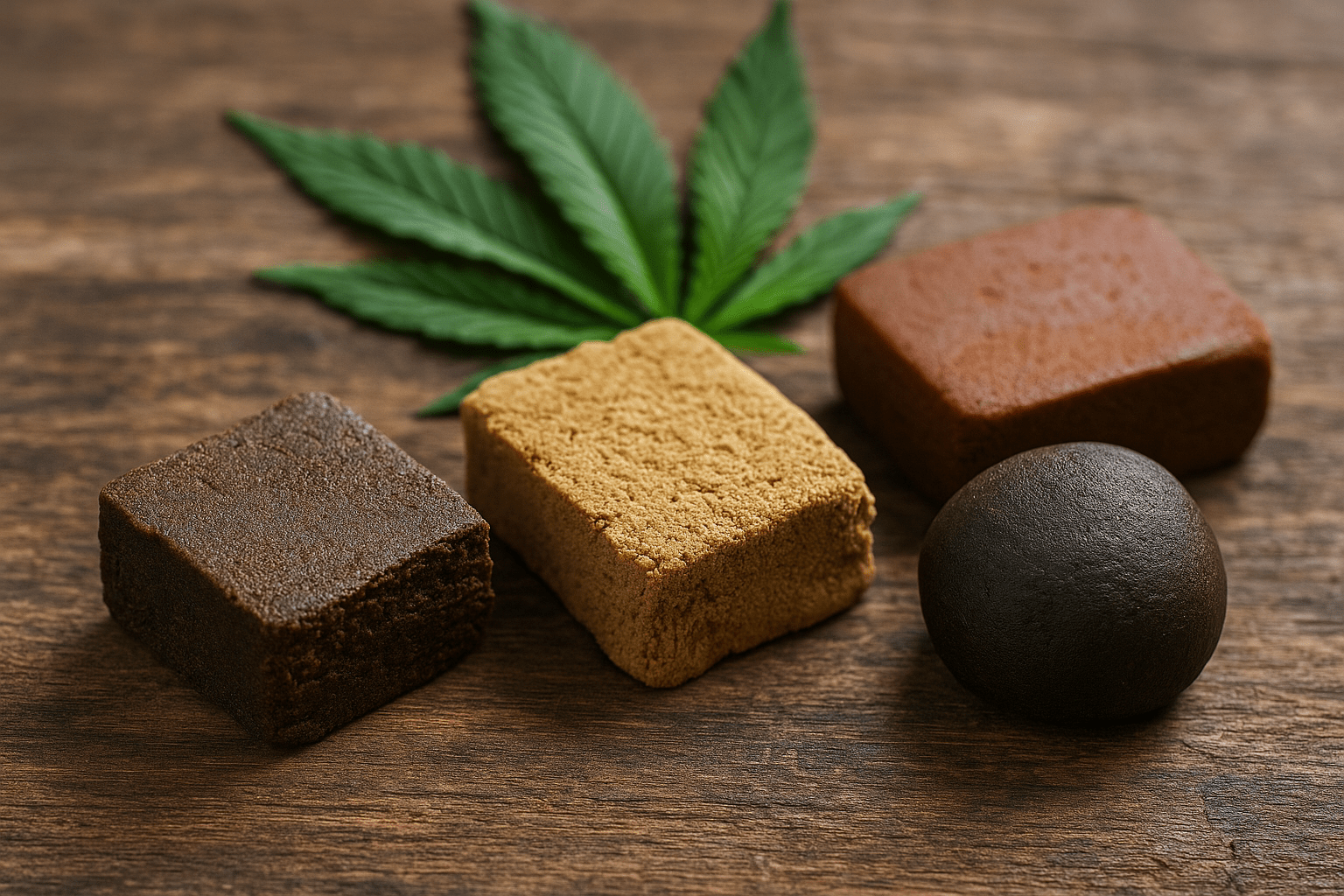
Hash CBD, usually obtained by sieving or other gentle extraction methods, appears as a crumbly or sticky resin. Generally, the CBD content ranges from 10% to 40% or more, depending on the quality of the hemp and manufacturing processes. Some athletes use this product for its potential relaxation benefits before and after training. However, any claims about its effects should be based on reliable scientific studies or clearly established legal opinions. In the context of strength sports, reasons for interest may include:
- Mental relaxation (reducing stress and anxiety before competition).
- Muscle relaxation (possibly useful during the recovery phase).
- Contribution to better sleep quality.
Strength athletes often seek to maximize these parameters to improve their long-term performance and avoid stagnation.
Specific Needs of Strength Sports
Strength sports are closely linked to muscle performance, maximum strength, and hypertrophy (increase in muscle volume). To progress, athletes plan a cyclical training program, alternating high volumes and intensities. Such efforts impose:
- High neuromuscular intensity that fatigues both body and mind.
- A need to optimize the recovery phase to repair microtraumas caused by training.
- Mental management, essential for calmly approaching intense sessions and competitions (in powerlifting, for example, the psychological dimension is considerable).
Recovery Constraints
- Muscle inflammation, inevitable after a high-intensity session.
- Soreness (DOMS, Delayed Onset Muscle Soreness), which can last from 24 to 72 hours.
- High oxidative stress when effort is pushed to the extreme.
To promote supercompensation (the mechanism by which the muscle strengthens), a good lifestyle is recommended: sufficient rest, quality nutrition, hydration, and stress regulation. In this context, Hash CBD is sometimes mentioned as an additional tool. According to some scientific publications, CBD could interact with receptors of the endocannabinoid system, modulating the inflammatory response or the sensation of psychological pressure associated with intense effort.
Mental Aspect and Fatigue Management
In sports like weightlifting or powerlifting, the mental load can be as challenging as the physical load. An athlete must not only push their motor skills but also manage uncertainty and competition pressure. Several surveys and testimonials report that athletes seek legal solutions to improve stress management and contribute to better sleep, two foundations of optimal recovery.
Potential Effects of Hash CBD Before Effort
Some strength sports enthusiasts consider using Hash CBD before training, with the idea of calming the mind and allowing for optimal concentration. But what does science say?
- Pre-training Anxiety Management: A 2019 study published in The Permanente Journal indicated that CBD could positively influence certain mild anxiety disorders. Although the study’s methodology was not specifically focused on sports performance, the relaxed atmosphere could help approach the session with less mental tension.
- Concentration: Unlike THC, CBD does not have major psychotropic effects. It does not deeply alter alertness or motor perception, according to reports from the World Health Organization (WHO, 2018) on CBD safety. However, everyone reacts differently, and it is recommended to test one’s CBD tolerance threshold in non-risky contexts before adopting it in a sports protocol.
For the strength athlete, one of the goals is to increase focus and determination before effort while controlling potential worries or tensions. Some anecdotal feedback suggests that a moderate dose of Hash CBD (according to current legislation) can contribute to a more stable mental state without excessive sedation. However, there is no precise scientific consensus on the ideal dose before practicing a strength sport. Interindividual variability must be taken into account.
Potential Effects of Hash CBD After Effort
Recovery is a key pillar of strength sports. It includes muscle regeneration, reduction of inflammation, and a gradual return to nervous system balance. Here are some avenues suggested by research:
- Inflammation and Oxidative Stress: In a literature review published in 2020 in Antioxidants, it is suggested that cannabinoids, mainly CBD, could have a regulatory effect on inflammation. This hypothesis requires further studies focused on resistance training. However, it is plausible that additional CBD intake could contribute to muscle recovery.
- Sleep Quality: Many athletes turn to Hash CBD in hopes of improving their sleep. Several studies, such as one published in 2019 in The Permanente Journal, have reported subjective improvements in sleep among stressed or anxious patients. This can positively impact the athlete’s overall performance (less fatigued, more willing to engage in intense effort).
- Pain Management: Studies on pain modulation involving CBD (published, for example, in the European Journal of Pain) suggest that CBD could reduce the expression of certain inflammatory molecules. This could alleviate painful sensations after intense training while remaining within a legal and non-doping framework when the product complies with THC content legislation.
Used wisely, Hash CBD could be part of a comprehensive recovery protocol, alongside massage techniques, gentle stretching, and adequate nutrition. However, each individual will have their own sensitivity. It is important to experiment gradually and remain attentive to the evolution of one’s feelings. If an athlete suffers from acute or chronic pain, a medical evaluation remains crucial.
Legality and Regulatory Aspects in Switzerland
In Switzerland, the legal framework is clear: a product containing less than 1% THC is not subject to the restrictions of the Narcotics Act (RS 812.121). Therefore, Hash CBD respecting this limit is legally marketed and consumable. However, it remains the user’s responsibility to verify the THC content and the product’s origin.
Anti-Doping Control and Sports Federations
Most sports federations follow the World Anti-Doping Agency (WADA) list. Since 2018, CBD is no longer on WADA’s list of prohibited substances. However, THC (tetrahydrocannabinol) is still listed. This nuance is crucial:
- A Hash CBD that exceeds the THC tolerance threshold could result in a positive cannabis test.
- Even if the Hash is labeled “CBD,” it is always necessary to check laboratory analyses to confirm that THC remains below the 1% threshold (and below the analytical threshold authorized by WADA).
High-level athletes must exercise great caution: the margin between 0.9% and 1.1% THC is sometimes blurred between certain brands, and labeling can vary. To avoid any risk, it is advisable to refer to recognized Swiss laboratories capable of providing certified analyses.
How to Integrate Hash CBD into a Sports Protocol
The use of Hash CBD, whether pre or post-session, must be part of a comprehensive preparation and recovery strategy. Here are some guidelines to consider:
- Define a Specific Goal: Are you looking to relieve stress before the session, sleep better, or reduce muscle discomfort after training? Identifying the motivation first allows for choosing the timing and form of consumption.
- Choose a Reliable Product: Given Swiss legislation, prefer a Hash CBD that presents analyses from accredited laboratories. Regularly check the THC content.
- Start with a Low Dosage: Interindividual variability is strong with CBD. It is better to start with small amounts and adjust gradually.
- Adapt to the Time of Day:
- Before the session: some athletes report that it can reduce jitters or anxiety without overly diminishing the nervousness necessary for performance.
- After the session: often aimed at muscle relaxation and better recovery during the night.
- Keep a Logbook: Note your feelings, training intensity, sleep hours, and fatigue perception over several weeks to objectively assess the impact of Hash CBD.
Factors to Consider
Despite the growing interest in Hash CBD in strength sports, there are several points of caution:
-
Composition Variability
Depending on the production method, Hash CBD can contain varying levels of cannabinoids (CBD, THC, CBG, etc.). Athletes should demand reliable traceability and seek analysis results from recognized third-party laboratories. -
Individual Tolerance
CBD, even in resin (Hash), interacts with the endocannabinoid system individually. Some practitioners notice very noticeable relaxation, others a lighter effect. Others may experience slight drowsiness, which is not desirable during effort. Testing at low doses and outside competitive stakes remains the best approach. -
Modes of Consumption
- Vaporization: Hash CBD can be vaporized (at suitable temperatures) for relatively rapid assimilation, according to the manufacturer’s instructions and appropriate equipment.
- Ingestion: Rarer for Hash, which is less suited to oral consumption. However, some users sometimes mix it with fats (butter, oils, etc.) before ingestion. The effect then takes longer to manifest (30 to 90 minutes).
- Other Alternatives: CBD-rich oils, capsules, or topical creams. In a sports protocol, some athletes use topical creams on targeted areas (elbows, knees, lower back) in addition to Hash CBD consumed more systemically.
-
Risks of Drowsiness
There are reports of a certain calmness that can make concentration difficult during effort, especially if the dose is higher. Strength sports often require a high level of alertness for safety. It is better to test the effect of Hash CBD over a few light sessions to see how the body reacts. -
Compliance with Sports Rules
If you compete in an international or national federation, easily check the screening guidelines. Even a CBD-rich product can contain THC traces capable of triggering a positive test if the actual dose is too high.
Practical Steps: Establishing a Hash CBD Pre/Post-Session Protocol
Every athlete, keen to complement their training with the use of Hash CBD, can follow a progressive and individualized approach. Here is an example of a generic protocol for purely indicative purposes:
-
Legality Assessment
- Obtain a Hash CBD tested (laboratory analysis) proving less than 1% THC.
- Verify the origin and certifications of the producer.
-
Initialization
- During a rest day or in a low-intensity phase, test a very small amount (e.g., 0.1 g of Hash CBD at 10% CBD).
- Note psychic and physical sensations (rest, sleep, soreness, etc.).
-
Pre-Training Situation Test
- If the goal is to reduce anxiety before an important session, consume Hash CBD about 30 minutes to 1 hour before warm-up.
- Remain attentive to sensations: reduced nervousness, impact on muscle engagement.
-
Recovery Test
- After the session, wait for calm (light stretching, shower…).
- Consume Hash CBD (vaporization or ingestion) to see if muscle and mental relaxation occurs.
- Evaluate sleep quality during the following night.
-
Results Analysis
- Compare soreness intensity with previous sessions.
- Note if mental relaxation is too strong or perfectly adequate.
- Adjust the dose if necessary, remaining cautious to avoid overconsumption.
-
Validation and Regularity
- If results are deemed positive (better recovery, reduced pre-training anxiety, improved sleep) and if the product complies with anti-doping standards, the use can be sustained in the program.
Summary of Potential Benefits and Limitations
When manufactured in compliance with Swiss regulations (less than 1% THC) and consumed consciously, Hash CBD can contribute to:
- A better mindset before the strength session, limiting anxiety or excessive nervousness.
- A potentially more serene recovery, with reduced muscle tension.
- Improved sleep quality, essential for restoring energy reserves and allowing tissues to regenerate.
However, there are important limitations to keep in mind:
- Studies specifically on muscle recovery in strength sports and the use of CBD are still insufficient. Information from these studies must be supplemented by serious observations and feedback.
- Individual variability is very high. Some athletes may feel a noticeable effect, others more subtle or even non-existent.
- Inappropriate use (high quantities, non-compliant product, inappropriate timing, lack of monitoring) can lead to undesirable drowsiness or worsen fatigue.
For these reasons, Hash CBD should not be considered a miracle solution but rather a potential complement to an already well-established sports hygiene: quality nutrition, sufficient sleep, well-planned training, and active recovery.
Conclusion
In the field of strength sports, the continuous pursuit of performance is accompanied by a real need for effective strategies to support recovery and concentration. Hash CBD, a legal product in Switzerland if it contains less than 1% THC (RS 812.121), is of great interest for its presumed influence on stress management, modulation of mild pain, and sleep improvement. Peer-reviewed scientific studies conducted in various contexts indeed suggest that CBD can play a beneficial role in the inflammatory response and sleep quality. However, it is essential to remain vigilant, both on the origin and composition of Hash CBD and on potential anti-doping rules in high-level competitions.
For the athlete, the goal remains to find a balance. The Hash CBD pre/post-session protocol must be adapted to each athlete as tolerance, sensitivity, and specific needs may vary. By including rigorous monitoring of feelings, it becomes possible to explore this path while maintaining a focus on safety and legality. Finally, it is important to remember that for any medical issue, a competent professional opinion remains the best reference.
Integrating Hash CBD into a sports routine can be an interesting avenue, provided the current legislation is respected, a controlled product is obtained, and factual data on usage and effectiveness is sought. It is through this approach of transparency and caution that strength sports can evolve while protecting the long-term health and well-being of athletes.